



01 / Interface
Stay in the interface you already use.
Codex stays your workspace. Native GPT, managed providers and your own local models appear in the same model picker — switch models, not apps.
Model Dock For Codex
Keep working in Codex. ModelDock brings the models you choose—native GPT, managed providers, and local engines—together with the tools a task may need, without manually moving prompts, files, or results between apps.
LOCAL BRIDGE Responses streaming, tool loops and long-session work remain part of the same task.
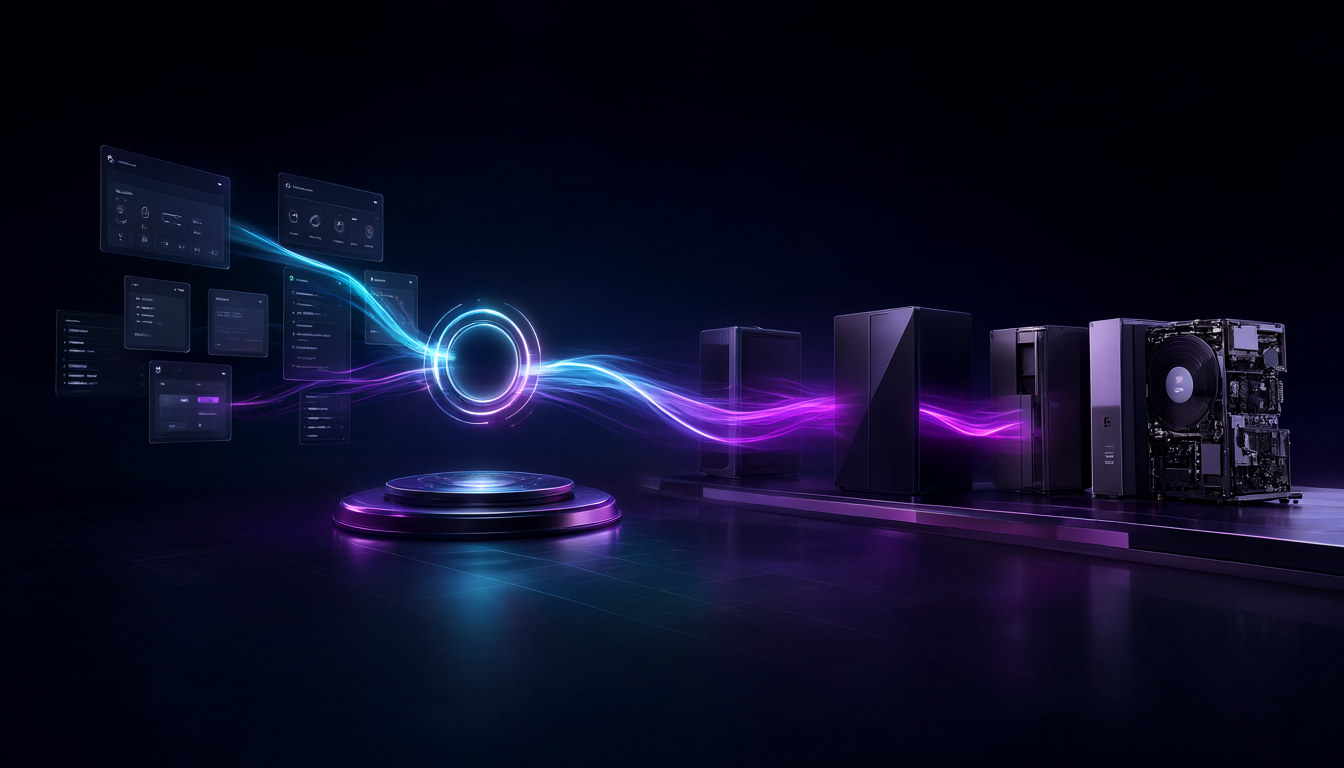
The ModelDock stack
ModelDock is the routing layer in the middle — and the idea that where you work, what you route to, and what runs it belong together.
01 / Interface
Codex stays your workspace. Native GPT, managed providers and your own local models appear in the same model picker — switch models, not apps.
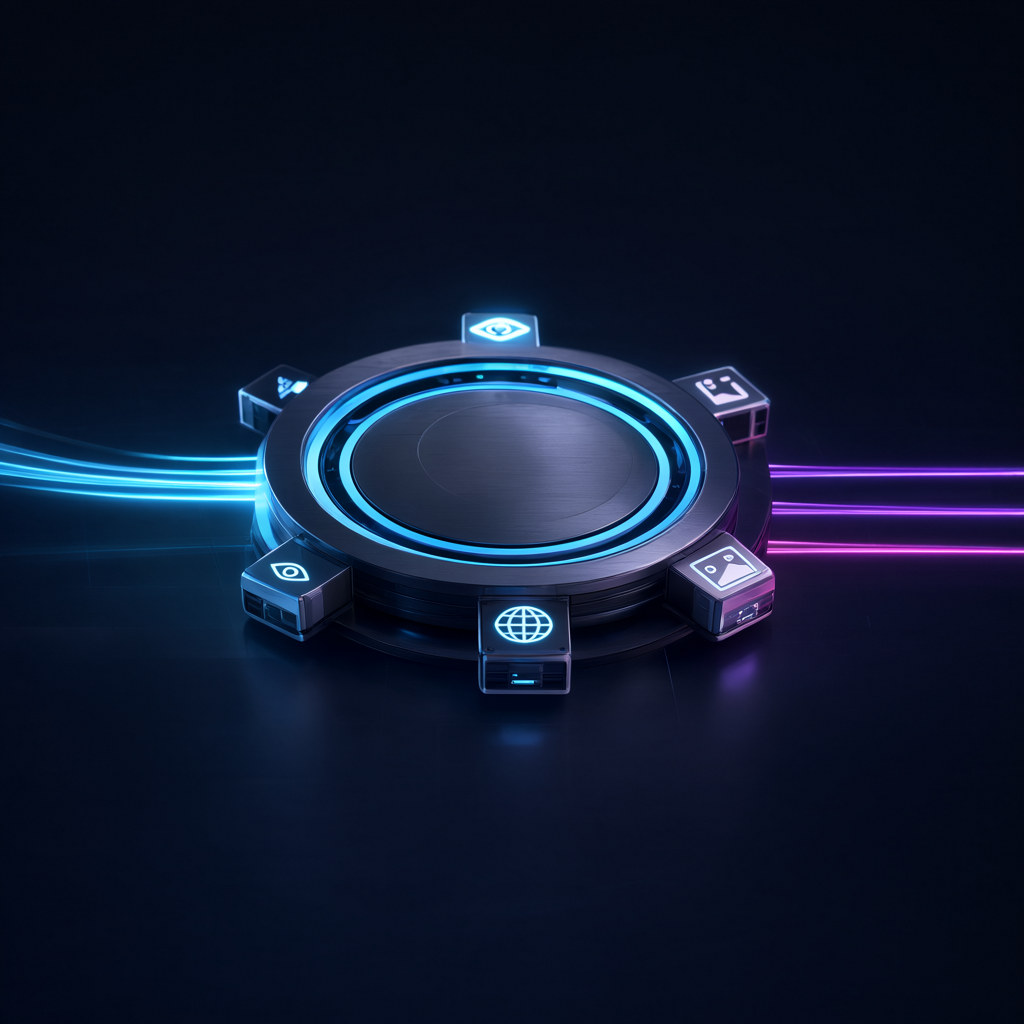
02 / Dock
A local bridge sends each request to the right model and gives it the tools the task needs: vision, search, memory, speech, image generation. Streaming, tool loops and long sessions stay intact, and every route, token and latency stays visible.
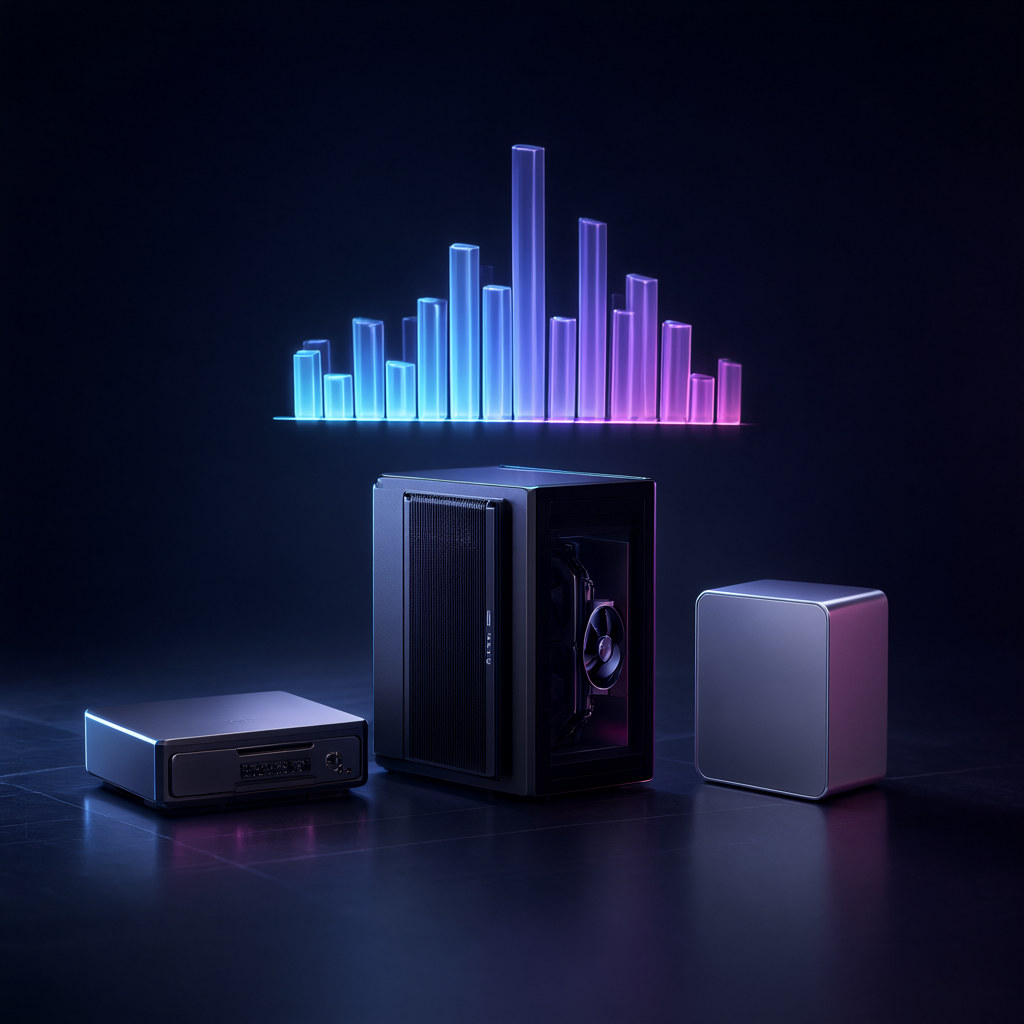
03 / Machine
Local AI runs on real hardware. ModelDock detects Ollama, llama.cpp, vLLM and Strata, and measures your machine against open benchmarks — prefill, decode, power, cost per million tokens — so you can tune, compare or buy with evidence.
See the rankings →Next / planned
Connectors. The next direction is user-authorized local tools that run through their official CLIs in isolated jobs and return a result plus a reviewable diff. They are planned, not part of the current release.